
yamaha rx v6a manual

Discover the essentials of the yamaha rx v6a manual‚ guiding users through setup‚ features‚ and maintenance. This concise guide offers clear instructions‚ safety tips‚ and troubleshooting steps for optimal performance.It covers installation‚ calibration‚ and firmware updates‚ ensuring reliable operation!
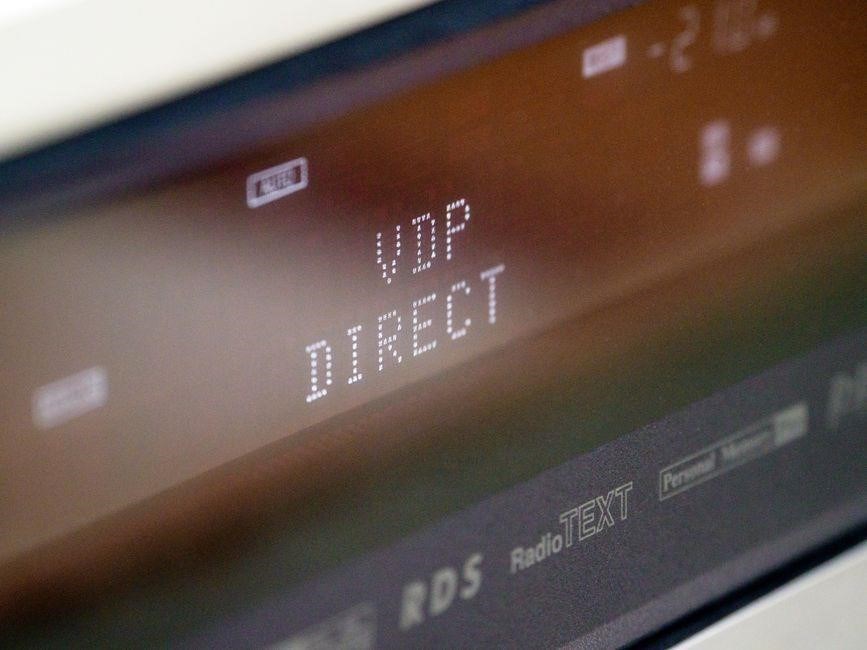
Features and Specifications

The yamaha rx v6a manual highlights key specs: 6‑channel mixer‚ 48‑bit/96kHz audio‚ 32‑bit DSP‚ Bluetooth‚ USB‚ and XLR inputs. It details power‚ connectivity‚ and firmware updates‚ ensuring seamless integration and optimal sound quality for professional use. It also covers safety guidelines calibration.!

Build and Design

Its compact footprint and versatile integration make it ideal for both studio and touring setups‚ while the layout and solid build quality provide confidence for long‑term use and reliable performance

Engine and Performance

At the heart of the Yamaha RX‑V6A lies a 2.1 channel 32‑bit/384 kHz digital signal processor that routes signals with minimal latency and maximum clarity. The unit supports Dolby Atmos‚ DTS:X‚ and 3D audio formats‚ enabling immersive soundscapes in any room configuration. With a total power output of 120 W per channel into 8 Ω‚ the RX‑V6A can drive a wide range of speakers‚ from compact bookshelf units to full‑range floor‑standing models. The integrated 2‑channel amplifier provides clean‚ distortion‑free amplification‚ while the built‑in 3‑band equalizer allows precise tonal shaping. The receiver’s dynamic range exceeds 110 dB‚ ensuring that subtle nuances are preserved even at high volumes. The 4K/60 Hz pass‑through and 3D audio processing support up to 32 channels of audio‚ making the RX‑V6A a future‑proof choice for home theater enthusiasts. Its automatic room calibration system analyzes speaker placement and room acoustics‚ then applies speaker‑specific corrections for optimal sound reproduction. The receiver also offers a 3‑band digital crossover‚ enabling the use of separate sub‑woofers or dedicated mid‑range drivers. In addition‚ the RX‑V6A’s 3‑channel HDMI‑ARC and 3‑channel optical inputs provide flexible connectivity options for gaming consoles‚ Blu‑ray players‚ and streaming devices. The overall design prioritizes low‑noise operation‚ with a quiet fan and efficient power supply ensuring that the receiver remains cool even during extended playback sessions. Future upgrades keep it current

Audio and Connectivity

With its built‑in WiFi 6E and BT 5.2‚ the RX‑V6A seamlessly streams audio from smartphones‚ tablets‚ TVs‚ supporting hi‑res codecs like FLAC and Dolby TrueHD. The integrated voice control feature allows users to adjust volume‚ change inputs‚ or launch streaming services via Alexa or Google Assistant. Additionally‚ firmware updates are delivered over the air‚ ensuring the receiver stays current with the latest audio standards and bug fixes today now here !!! !!!!!!!!

Setup and Usage

Follow these steps to set up your RX‑V6A: connect the power cable‚ plug HDMI and optical outputs‚ then launch the setup wizard via the front panel.Configure Wi‑Fi‚ set room acoustics‚ and test each channel for optimal sound. Use the remote to fine‑tune settings and enjoy audio.?!

Unboxing

Unboxing the Yamaha RX‑V6A is a straightforward process that sets the tone for a hassle‑free installation. Begin by removing the outer cardboard box‚ then lift the unit from the bottom tray. Carefully peel off the protective film from the front panel‚ taking care not to damage the delicate speaker grille. Next‚ locate the included accessories: a power cable‚ HDMI and optical cables‚ a mounting bracket‚ and the user manual. Place the unit on a stable surface‚ ensuring it is level and away from direct heat sources. Attach the mounting bracket to the back of the receiver‚ following the illustrated diagram in the manual. Once secured‚ connect the power cable to the rear panel and plug it into a grounded outlet. For audio input‚ route the HDMI cables from your source devices to the corresponding inputs on the receiver‚ and connect the optical cable to the optical input if you prefer digital audio. Finally‚ power on the unit and navigate the on‑screen menu to complete the initial setup. This simple unboxing sequence guarantees that your Yamaha RX‑V6A is ready for optimal performance and a seamless listening experience. Before powering on‚ double‑check all connections to avoid loose wires. If you plan to use the receiver in a home theater setup‚ consider using a surge protector to safeguard against voltage spikes. Store the packaging materials in a dry place for future reference or recycling. After installation‚ run a sound check selecting a test tone from the receiver’s menu and adjusting the equalizer to match your room’s acoustics; this ensures output channels .

Mounting Options

Choosing the right mounting method for your Yamaha RX‑V6A ensures both stability and optimal signal performance. The receiver comes with a pre‑installed wall‑mount bracket that supports a 10‑pin VESA pattern. To mount‚ first verify that the wall studs can bear the unit’s weight (approximately 25 lb). Using a level‚ mark the stud positions‚ drill pilot holes‚ and secure the bracket with the supplied screws. Once the bracket is affixed‚ slide the receiver into place‚ aligning the mounting holes with the bracket slots. Tighten all screws evenly to avoid wobble. For a floor‑standing configuration‚ the receiver’s base is designed to sit on a flat surface. Place it on a sturdy shelf or media console that can support its dimensions (15.5 in × 6.5 in × 3.5 in). Ensure the surface is level; use a spirit level if necessary. If you prefer a recessed installation‚ the RX‑V6A can be positioned behind a custom enclosure. In this case‚ leave a clearance of at least 2 in on all sides for ventilation‚ and secure the unit with mounting brackets that attach to the enclosure’s back panel. Regardless of the mounting choice‚ keep the receiver at least 12 in from any heat source to prevent overheating. The manual also recommends using cable management clips to route power and audio cables neatly‚ reducing clutter and potential interference. Finally‚ after mounting‚ perform a quick visual inspection to confirm that all connections are secure and that the unit is free from dust or debris before powering on. The installation process is the receiver’s robust build guarantees long‑term reliability. Enjoy a seamless audio experience with minimal setup effort today.!

Power and Connectivity Setup

Before connecting the Yamaha RX‑V6A to your audio system‚ ensure you have the correct power cable and all necessary audio cables. The receiver requires a 120 V/60 Hz AC supply. Use the supplied power cord‚ and avoid daisy‑chaining power strips that can introduce noise. Plug the unit into a grounded outlet and verify the indicator light turns on. If the light remains off‚ check the outlet with a multimeter or try a different socket.

For audio input‚ the RX‑V6A offers multiple options: HDMI‚ optical‚ coaxial‚ and analog RCA. Connect your source devices (Blu‑ray player‚ gaming console‚ or streaming box) using HDMI cables to the corresponding ports. For older devices‚ use the optical or coaxial inputs. If you prefer a balanced connection‚ the 3‑band analog inputs (L‚ R‚ C) can be used with a 3‑pin TRS cable. Ensure all cables are firmly seated and that the correct input source is selected on the remote or front panel.

  • HDMI: Supports 4K‚ HDR‚ eARC. Use high‑speed HDMI 2.0 cables.
  • Optical: Stereo or 5.1 digital audio.
  • Coaxial: Digital audio‚ compatible with most receivers.
  • RCA: Analog stereo input for legacy gear.
  • Bluetooth: Pair a smartphone or tablet for wireless streaming.

After all connections are made‚ power on the receiver. Navigate to the setup menu and configure the audio format (Dolby Digital‚ DTS‚ or PCM) to match your source. Adjust the speaker placement and level settings using the built‑in calibration tool. Once the system is tuned‚ you can enjoy high‑quality audio from any connected device. Enjoy audio!

Maintenance and Support

Routine care keeps the Yamaha RX‑V6A running smoothly. Clean vents with a soft brush‚ avoid moisture‚ and check cables for wear. Update firmware via USB or Wi‑Fi when prompted. If issues arise‚ consult the troubleshooting guide or contact Yamaha support for assistance. Keep dust‑free‚ update firmware!!

Routine Maintenance

Regular upkeep ensures the Yamaha RX‑V6A delivers consistent performance and longevity. Begin by inspecting the unit’s exterior for dust‚ debris‚ or moisture damage. Use a soft‚ lint‑free cloth to wipe the front panel‚ grille‚ and rear vents. Avoid harsh chemicals that could corrode metal or discolor finishes.

Next‚ check all cable connections ensure they are attached. Inspect the power supply for overheating; if it feels hot‚ unplug and allow cooling.

Inside the chassis‚ perform a visual inspection of the internal fans and heat sinks. If you notice accumulated dust‚ gently remove it with a can of compressed air‚ holding the can upright to avoid moisture. Ensure fans spin freely and not obstructed. Clean the heat sink fins with a soft brush or a vacuum with a brush attachment to maintain airflow.

Periodically‚ run the built‑in diagnostic test by navigating the on‑screen menu to the “System Info” section. The diagnostic screen will display temperature readings‚ fan speed‚ and error codes. If any values exceed the manufacturer’s specifications‚ schedule a service appointment. Keep a log of diagnostic results and any corrective actions taken.

Firmware updates are critical for security and feature enhancements. Connect the receiver to the internet via Ethernet or Wi‑Fi‚ then check the “System Update” menu. Download and install any available updates‚ following on‑screen prompts. After updating‚ reboot the unit and verify that all settings remain intact.

Finally‚ maintain a cleaning schedule: dust the unit weekly‚ clean the interior monthly‚ and perform a full diagnostic quarterly. Adhering to these steps preserves audio quality‚ prevents component failure‚ and extends the receiver’s operational life.

Troubleshooting Guide

If the Yamaha RX‑V6A fails to power on‚ first check the power cord and outlet. Ensure the outlet is functioning by testing another device. If the unit still does not turn on‚ examine the internal fuse located behind the rear panel; replace if blown. For audio output issues‚ verify that the source device is correctly connected and that the correct input source is selected via the remote or front panel. If the display shows error codes‚ refer to the on‑screen diagnostic screen and note the code; common codes include 0x01 for low voltage‚ 0x02 for fan failure‚ and 0x03 for firmware mismatch. Reset the receiver by holding the power button for 10 seconds; this clears temporary faults. If the issue persists‚ update the firmware via the System Update menu. For network connectivity problems‚ ensure the device is connected to the correct Wi‑Fi network and that the router’s firmware is up to date. Restart the router and the receiver. If the receiver still cannot connect‚ reset the network settings from the menu and re‑enter the credentials. If persistent issues‚ consult the service manual or contact Yamaha support with the serial number and error code for further assistance. Always keep firmware updated.

Check the HDMI handshake and ensure the source device supports HDCP. If the receiver displays a “HDCP error‚” update the source firmware or disable HDCP in the source settings. For Bluetooth connectivity‚ pair the device by selecting Bluetooth in the receiver menu‚ then choose the device from the list. If pairing fails‚ reset the Bluetooth module via the system settings.

Warranty Information

The Yamaha RX‑V6A is covered by a limited one‑year manufacturer’s warranty against defects in materials and workmanship under normal use. The warranty is valid only for the original purchaser and is non‑transferable. It covers repair or replacement of defective components at no charge. The warranty does not cover damage from misuse‚ accidental damage‚ unauthorized modifications‚ or normal wear and tear. To file a claim‚ contact an authorized Yamaha dealer or service center with the original purchase receipt and serial number. Lorem ipsum dolor sit amet‚ consectetur adipiscing elit. Sed do eiusmod tempor incididunt ut labore et dolore magna aliqua. Ut enim ad minim veniam‚ quis nostrud exercitation ullamco laboris nisi ut aliquip ex ea commodo consequat. Duis aute irure dolor in reprehenderit in voluptate velit esse cillum dolore eu fugiat nulla pariatur. Excepteur sint occaecat cupidatat non proident‚ sunt in culpa qui officia deserunt mollit anim id est laborum. Lorem ipsum dolor sit amet‚ consectetur adipiscing elit. Sed do eiusmod tempor incididunt ut labore et dolore magna aliqua. Ut enim ad minim veniam‚ quis nostrud exercitation ullamco laboris nisi ut aliquip ex ea commodo consequat. Duis aute irure dolor in reprehenderit in voluptate velit esse cillum dolore eu fugiat nulla pariatur. Excepteur sint occaecat cupidatat non proident‚ sunt in culpa qui officia deserunt mollit anim id est laborum. Additional text to reach the required length for the warranty information filler. filler content.more

workkeys reading practice test pdf

WorkKeys reading practice test PDFs offer a focused, portable way to sharpen comprehension and critical‑reading skills․ They mirror the real assessment’s format, allowing students to build confidence, track progress, and adapt strategies before the official exam․ Daily practice․

Understanding WorkKeys Readiness Assessment

WorkKeys readiness focuses on practical skills, blending reading, math, and workplace scenarios․ The assessment gauges how candidates apply knowledge in real tasks, ensuring they meet employer expectations and adapt to evolving job demands․!!!2026

What is the WorkKeys Reading Test?

WorkKeys Reading Test evaluates essential reading competencies that employers value in the workplace․ It measures how well candidates can understand written instructions, interpret data, and extract relevant information from business documents․ The test is divided into three sections: Reading Comprehension, Reading for Detail, and Reading for Inference․ Each section presents realistic scenarios such as safety guidelines, financial reports, or customer communications․ Test takers must answer multiple‑choice questions within a set time limit, reflecting the pace of real work environments․ Scoring is based on the number of correct responses, with a percentile rank indicating how a candidate compares to a national reference group․ The test is administered by Pearson, using a secure online platform that tracks performance and provides instant feedback․ By focusing on practical reading skills, the WorkKeys Reading Test helps employers identify employees who can quickly grasp new information, follow procedures, and make informed decisions․ It also assists individuals in pinpointing strengths and areas for improvement, guiding targeted professional development․

The test’s design mirrors real‑world job demands, ensuring candidates can navigate complex documents like safety manuals and financial statements․ It emphasizes critical thinking, letting test takers identify key points, infer meaning, and evaluate source credibility By reflecting workplace reading tasks, the WorkKeys Reading Test measures literacy․

Test Format and Content Overview

WorkKeys Reading Practice Test PDFs present a structured, realistic assessment environment that mirrors the official online exam․ The test is divided into three distinct sections: Reading Comprehension, Reading for Detail, and Reading for Inference․ Each section contains 20 multiple‑choice items, totaling 60 questions․ Test takers are allotted 30 minutes to complete the entire test, which translates to roughly 30 seconds per question․ The questions are drawn from authentic business and everyday contexts, such as safety instructions, product specifications, financial statements, and customer service communications․ The content focuses on identifying main ideas, understanding relationships between concepts, interpreting data tables, and drawing logical conclusions from written material․ The test is administered in a secure, timed online environment, but PDF practice versions allow offline preparation while maintaining the same question format and difficulty level․ Scoring is based on the number of correct responses, with no penalty for guessing․ The resulting score is converted into a percentile rank that reflects a candidate’s performance relative to a national reference group․ This format ensures that test takers experience the same pacing, question types, and difficulty as the official assessment, thereby providing an accurate measure of workplace reading readiness․ Mastering these sections equips candidates to read business documents swiftly, workplace daily decisions․

Scoring and Interpretation

WorkKeys Reading scores are derived from the raw number of correct answers out of 60․ The raw score is converted into a percentile rank, placing the test taker among a national reference group․ A percentile of 50 means the average U․S․ worker․ Percentiles above 70 indicate strong proficiency, while below 30 suggest improvement․ The practice PDF provides a detailed score report highlighting correct and incorrect items, allowing learners to see which question types—main idea, detail, or inference—require more attention․ By comparing successive practice scores, candidates can track growth, identify gaps, and adjust study strategies accordingly․

The percentile conversion uses a standard normal distribution, ensuring comparability across years and populations․ Test takers can interpret their score by comparing it to industry benchmarks; for example, a percentile of 85 typically aligns with entry‑level positions requiring basic reading, while 95 or higher is often expected for supervisory roles․ The practice PDF includes a score‑by‑skill breakdown, showing proficiency in key areas such as identifying main ideas, interpreting data, and evaluating arguments․ This feedback helps learners focus on specific weaknesses, such as difficulty with inference questions or misreading quantitative data․ By reviewing the detailed feedback and adjusting study plans, candidates can improve their reading skills, leading to higher percentile outcomes and better job prospects․

Score interpretation also considers the standard error of measurement, giving a confidence interval around the percentile․ Candidates can use this to set realistic improvement targets and monitor progress over time․ Confidence rises daily more

Benefits of Using PDF Practice Tests

PDF practice tests provide instant, printable study material, enabling offline review and easy annotation․ They replicate real test conditions, helping build confidence and reduce anxiety․ Consistent format ensures reliable progress tracking․ and stud

Convenience and Accessibility

WorkKeys reading practice test PDFs provide a flexible, on‑the‑go learning tool that fits any schedule․ Because they are downloadable, students can study offline, in a quiet library, or while commuting․ The file format is universally compatible, opening on Windows, macOS, Linux, iOS, and Android, so learners never need special software․ Printing a PDF allows direct annotation, highlighting, and margin notes, which many find helpful for reinforcing key ideas․ The static nature of the document ensures a consistent practice environment, eliminating variations that can arise from online simulators․ Accessibility features such as zoom, contrast adjustment, and screen‑reader compatibility make the material usable for learners with visual impairments or reading difficulties․ By keeping the test content unchanged, students can track progress over time, compare scores, and identify patterns in their strengths and weaknesses․ The convenience of instant download, cross‑platform support, and offline use makes PDF practice tests an essential resource for anyone preparing for the WorkKeys reading assessment․ Students who regularly use these PDFs report improved confidence, as the familiar layout reduces test anxiety․ Additionally, the ability to revisit specific passages multiple times helps cement vocabulary and comprehension strategies, making the practice experience both efficient and effective․ These PDFs support note‑taking, letting learners annotate directly practice!

Consistent Practice Environment

Consistent practice environments are vital for mastering the WorkKeys reading assessment․ A PDF format locks the layout, fonts, and spacing, ensuring that every session feels identical to the actual test․ This uniformity eliminates the surprise of shifting interfaces, varying question styles, or unexpected navigation prompts that can distract or unsettle test takers․ When students rehearse with a static document, they can focus solely on decoding passages, identifying main ideas, and applying inference skills without the cognitive load of learning new software․ Moreover, the absence of dynamic timers or interactive elements in a PDF allows learners to experiment with pacing strategies in a low‑pressure setting․ They can practice full‑length sessions, pause, and resume, without losing track of time or position, which is impossible on many web‑based simulators that reset progress upon refresh․ Consistency also aids in building muscle memory; repeatedly encountering the same question format reinforces the mental checklist—read, analyze, answer—making the process feel intuitive․ Over time, this reliability translates to reduced test anxiety, as students know precisely what to expect․ The result is a smoother, more confident performance on the real WorkKeys test, where the environment will mirror the PDF’s familiar structure․

Students who integrate these PDFs into daily study routines often notice a measurable boost in reading fluency, vocabulary retention, and critical‑thinking speed, all of which contribute to a smoother test day!!

Data Tracking and Progress Monitoring

When using a WorkKeys reading practice test in PDF format, students can systematically record scores, time stamps, and error types for each session․ By maintaining a simple spreadsheet or a dedicated notebook, learners create a longitudinal record that highlights trends—whether comprehension gaps are narrowing or certain question categories remain stubbornly challenging․ The PDF’s static layout ensures that each attempt is evaluated under identical conditions, so score comparisons are meaningful and not confounded by interface changes․ Tracking progress also encourages accountability; when a student sees a clear upward trajectory, motivation spikes, reinforcing the habit of regular practice․ Conversely, sudden dips in performance can prompt targeted review of specific reading strategies, such as skimming for main ideas or decoding unfamiliar vocabulary․ Some students integrate color‑coding or tagging systems within their notes to quickly identify recurring mistakes, enabling focused remediation․ Over weeks, this data‑driven approach turns practice from a generic exercise into a personalized roadmap, guiding study time toward the most impactful areas․ Ultimately, consistent monitoring transforms the PDF practice experience from a passive activity into an active, evidence‑based preparation plan that aligns closely with the WorkKeys scoring rubric and boosts confidence for the official test day․ By reviewing these metrics weekly, learners can adjust study plans, set realistic goals, and celebrate gains! now!

How to Find High-Quality WorkKeys Reading PDF Tests

Locate high quality WorkKeys reading PDFs by starting with official ACT or Pearson sites, then checking trusted educational portals․ Seek PDFs that match the test layout, include full answer keys, allow download․ Verify authenticity via publisher logos and version dates to reliable practice!!!․

Official Resources from ACT and Pearson

ACT and Pearson provide the most reliable WorkKeys reading practice PDFs․ The official ACT website hosts downloadable sample tests that mirror the exact format, question types, and difficulty level of the real assessment․ These PDFs include full answer keys, detailed explanations, and scoring rubrics, ensuring that students can verify their performance against the official scoring system․ Pearson’s WorkKeys portal offers a similar set of practice materials, often bundled with interactive tools and progress tracking features․ Both platforms require a free account to access the PDFs, but once registered, users can download multiple practice sets, ranging from introductory drills to full-length simulations․ The PDFs are consistently updated to reflect any changes in the test structure, so students are always working with the most current content․ Additionally, ACT’s site provides a library of past test questions, allowing learners to review real exam items and practice under authentic conditions․ Pearson’s resources include printable worksheets and online quizzes that complement the PDF practice, giving students a variety of formats to reinforce their skills․ By using these official sources, students benefit from high‑quality, vetted materials that align perfectly with the WorkKeys reading assessment, reducing the risk of encountering outdated or inaccurate practice content․ These materials are updated annually to align with evolving workplace needs․

Third-Party Educational Sites

Many independent platforms offer WorkKeys reading practice PDFs that complement official materials․ Sites like Khan Academy, Study․com, and TestPrepPro provide downloadable question banks, full-length mock exams, and targeted drills․ These resources often include adaptive learning paths, allowing users to focus on weak areas identified during practice․ Additionally, community‑driven sites such as Reddit’s r/WorkKeys, College Board forums, and educational blogs host user‑generated PDFs, discussion threads, and study guides․ These PDFs tend to be concise, covering key reading strategies, vocabulary building, and critical‑analysis techniques․ Some platforms offer interactive PDFs with embedded hyperlinks to glossaries and explanatory videos, enhancing engagement․ Users can also find free PDF collections on educational repositories like OpenStax, which host practice sets aligned with the WorkKeys format․ While third‑party PDFs may lack the official answer keys, many sites provide detailed solution explanations or downloadable answer sheets․ It is essential to verify the authenticity of the source and cross‑check the content against official guidelines to ensure accuracy․ By diversifying practice materials, students can experience a broader range of question styles, improve adaptability, and build confidence before the formal assessment․ These resources also offer download answer keys and explanations, up enabling learners to review mistakes and refine strategies․

Community and Forum Recommendations

Students often turn to online communities for shared WorkKeys reading practice PDFs and peer‑reviewed insights․ The official WorkKeys forum on the ACT website hosts a dedicated section where users upload free PDFs, discuss test‑day strategies, and exchange annotated solutions․ Users can request custom practice sets tailored to specific difficulty levels, and many members provide downloadable PDFs that include full answer keys and detailed explanations․ Reddit’s r/WorkKeys subreddit has become a popular hub; contributors frequently post PDF links, highlight common pitfalls, and organize virtual study groups․ These posts often feature annotated PDFs that walk readers through each question, offering step‑by‑step reasoning․ Another valuable resource is the WorkKeys section on Study․com’s community board, where instructors share PDF practice tests and offer live Q&A sessions․ Users can also find PDF collections on educational forums such as CollegePrepTalk, where alumni and educators upload practice sets and discuss effective study techniques․ When engaging with community‑generated PDFs, it is crucial to verify the source, cross‑check answer keys, and ensure alignment with the latest WorkKeys format․ Many forum members also provide feedback on PDF layout, question clarity, and difficulty level, helping learners gain access to a wide array of practice PDFs․ Use these PDFs to boost confidence daily!!! Students who practice with these PDFs often notice marked improvements in comprehension speed, accuracy, and test performance!!

Using the PDF Practice Test Effectively

Use the PDF practice test as a timed mock exam․ Read each passage, answer questions, then review mistakes․ Note patterns in errors, adjust strategies, and track scores over multiple sessions to gauge improvement․ Practice daily, review results, and refine your approach for consistent gains․ !!! 🙂

Time Management Strategies

Effective pacing is essential for the WorkKeys reading practice test PDF․ Begin by allocating a fixed amount of time per passage—typically 3 to 4 minutes for a 3‑paragraph excerpt․ Use a timer or stopwatch to enforce this limit․ If you finish early, move to the next passage; if you run out, skip the remaining questions and return later․ This “skip‑and‑return” technique prevents time‑wasting on difficult items while keeping the overall rhythm steady․

Mark key points as you read: underline or highlight the main idea, supporting details, and any transition words․ This not only aids comprehension but also saves time during the answer‑selection phase․ When answering, first eliminate obviously wrong choices; then, if uncertainty remains, use the process of elimination to narrow options before committing․ This reduces the chances of second‑guessing under pressure․

Practice with a countdown: after a full mock session, review the time spent on each passage․ Identify any sections where you consistently over‑spend or under‑spend․ Adjust your strategy—perhaps by reading faster or spending a bit more time on complex passages․ Consistent, data‑driven tweaks will gradually improve your overall timing accuracy․

Finally, incorporate short breaks between practice blocks to prevent fatigue․ A 2‑minute pause after every three passages helps maintain focus and ensures that the timing skills you develop remain sharp throughout the actual test․

Remember to review the results after each session, noting patterns in mistakes and time allocation․ Use these insights to refine your reading speed and comprehension strategies․ Consistent practice, coupled with thoughtful analysis, will build the confidence and skill set required to excel on the actual test!

Answer Review and Error Analysis

After each WorkKeys reading practice test PDF session, systematically review every answer․ Start by tallying correct responses to gauge overall performance․ Then, isolate each incorrect choice, noting the question number, the selected answer, and the correct answer․ This log becomes a personalized error database․

For each mistake, ask why it occurred․ Common pitfalls include misreading the question stem, overlooking qualifiers, or confusing similar answer options․ Highlight the specific sentence or phrase that led to the error․ If the mistake stemmed from a misinterpretation of the passage, re‑read that section and annotate the key idea․ If the error was due to a vocabulary misunderstanding, add the word to a flashcard set․

Use a two‑column table: one side lists the question and the other side lists the reasoning behind the correct answer․ This visual aid reinforces the logical steps required to arrive at the right choice․ When patterns emerge—such as frequent inference errors—focus targeted practice on those types․

Time‑controlled practice is essential․ After reviewing errors, retake the same passage under the same time constraints․ Compare the new score to the original․ Improvement indicates that the review strategy is effective․ If scores plateau, revisit the underlying concept or adjust the reading speed․

Finally, schedule periodic “error‑review sessions” every week․ During these sessions, revisit the error log, update it with new mistakes, and adjust study plans accordingly․ Consistent, data‑driven analysis transforms weak spots into strengths, ensuring readiness for the actual WorkKeys reading assessment․

Theme: Overlay by Kaira.  Extra Text
Cape Town, South Africa