
GE Alarm Manual: A Comprehensive Guide
Navigating home security demands clarity; this manual provides essential guidance for GE alarm systems, ensuring peace of mind and optimal functionality.
Understanding GE Alarm Systems
GE alarm systems represent a cornerstone of modern home security, offering a blend of reliability and technological advancement. These systems are designed to protect against intrusions, environmental hazards like fire and carbon monoxide, and even medical emergencies. Understanding the core principles of operation is crucial for effective use.
At their heart, GE systems utilize a network of sensors – door/window contacts, motion detectors, and specialized detectors – that communicate with a central control panel. This panel processes signals and initiates appropriate responses, such as sounding an alarm, notifying a monitoring center, or alerting homeowners via mobile app.
Different GE systems cater to varying needs, ranging from basic, self-monitored setups to professionally monitored solutions with 24/7 support. Familiarizing yourself with the specific features and capabilities of your GE system is the first step towards maximizing its protective potential and ensuring your home’s safety.
System Components & Identification
GE alarm systems comprise a control panel, keypad, sensors (door, window, motion), and optional components like sirens and communication modules for complete security.
Control Panel Overview
The control panel serves as the central hub of your GE alarm system, orchestrating all security functions. Typically housed in a tamper-resistant enclosure, it manages communication with sensors, the keypad, and any monitoring services.
Key features include a backup battery ensuring operation during power outages, a communication module for transmitting signals (often via landline, cellular, or internet), and a processor that interprets sensor data.
The panel’s interface often displays system status, zone activity, and error messages. LEDs indicate arming status and potential issues. Modern panels may feature touchscreen displays for intuitive control. Understanding the panel’s indicators and basic functions is crucial for effective system management.
Regularly inspect the panel for any signs of damage or tampering, and ensure the backup battery is functioning correctly.

Keypad Functions & Operation
The keypad is your primary interface for controlling the GE alarm system. It allows you to arm, disarm, and bypass zones, as well as program user codes and access system settings.
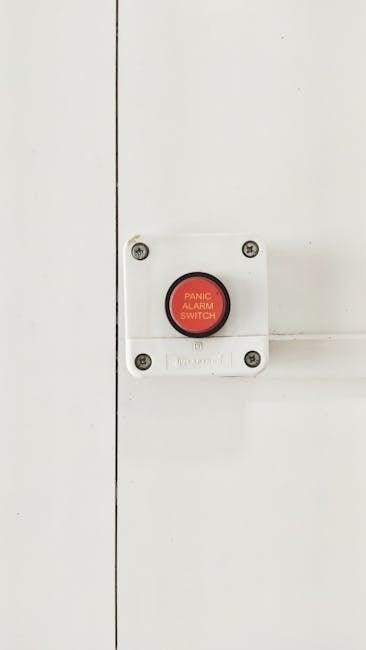
Common functions include entering your security code to disarm the system, using dedicated keys for ‘Stay’ (arming perimeter zones) and ‘Away’ (arming all zones) arming modes, and utilizing the ‘Panic’ button for emergency assistance.
Keypads often provide visual feedback through LCD displays and audible beeps confirming actions. Familiarize yourself with the specific key assignments and their corresponding functions as outlined in your system’s documentation.
Proper code management is vital; avoid easily guessable codes and change them periodically.
Sensors: Door, Window, and Motion
GE alarm systems rely on a network of sensors to detect intrusions. Door and window sensors typically employ magnetic contacts; when a door or window opens, breaking the magnetic connection, an alarm signal is triggered.
Motion detectors utilize passive infrared (PIR) technology, sensing changes in heat signatures within a defined area. Proper placement is crucial – avoid direct sunlight, heat sources, and areas with high foot traffic to minimize false alarms.
Wireless sensors communicate with the control panel via radio frequency, requiring periodic battery checks.
Regularly test all sensors to ensure functionality and responsiveness.

Installation & Setup
Proper installation is key for reliable protection; choose professional setup or carefully follow DIY instructions, ensuring correct sensor placement and system configuration.
Professional Installation vs. DIY
Deciding between professional installation and a do-it-yourself (DIY) setup for your GE alarm system involves weighing convenience, cost, and technical expertise. Professional installation, typically offered by authorized GE dealers, guarantees a correctly configured system, optimized sensor placement, and thorough testing. This option is ideal for those unfamiliar with electrical wiring or alarm system technology, providing peace of mind and potentially lower insurance premiums.
However, professional installation comes with a higher upfront cost, including labor fees. Conversely, DIY installation offers significant cost savings, empowering homeowners to control the entire process. GE systems are designed with user-friendliness in mind, often including clear instructions and wireless components simplifying setup.
Careful planning and adherence to the manual are crucial for successful DIY installation. Consider your comfort level with basic electrical work and system programming before choosing this route. Incorrect installation can compromise system effectiveness, leading to false alarms or security vulnerabilities.
Wireless Sensor Pairing

Successfully pairing wireless sensors to your GE alarm control panel is crucial for a fully functional security system. The process typically involves entering the panel into “pairing mode,” often accessed through the system settings menu. Each sensor possesses a unique identification code, usually found on a label affixed to the device itself or within its battery compartment.
Refer to your GE alarm manual for the specific steps to initiate pairing mode, as procedures can vary slightly between models. Once in pairing mode, activate the sensor – typically by removing and replacing the battery or pressing a designated button. The control panel should then recognize and register the sensor, displaying a confirmation message.
Ensure sensors are within range of the control panel during pairing. Repeat this process for each wireless sensor, carefully noting its assigned zone or location within the system. Proper pairing ensures reliable communication and accurate alarm triggering.
Zone Programming & Configuration
Effective zone programming is fundamental to a responsive GE alarm system, allowing precise identification of alarm sources. Each sensor is assigned to a specific zone – for example, “Front Door,” “Living Room Window,” or “Motion Detector.” This configuration dictates how the system interprets and responds to triggered events.
Access the zone programming menu through the control panel’s settings, consulting your GE alarm manual for detailed instructions. You’ll typically define each zone’s type (entry/exit, instant, delay), its description, and its sensitivity level. Entry/exit zones allow a brief delay for arming/disarming, while instant zones trigger immediate alarms.
Carefully consider the placement and function of each sensor when assigning zones. Incorrect programming can lead to false alarms or delayed responses. Regularly review and update zone configurations as your security needs evolve, ensuring optimal system performance;
Alarm System Operation
Understanding arming modes, responding to triggers, and utilizing bypass features are crucial for effective GE alarm system use and overall home protection.
Arming & Disarming Modes
GE alarm systems typically offer several arming modes to suit different security needs. “Stay” mode secures the perimeter – doors and windows – while allowing movement inside, ideal for nighttime or when someone is home. “Away” mode activates all sensors, providing full protection when the premises are vacant.
A “Night” mode might offer a customized blend, perhaps disabling certain interior motion sensors. Disarming requires entering a valid user code on the keypad within the designated timeframe, preventing accidental activations. Some systems feature instant arming, immediately activating upon exiting, while others offer a delay for safe departure.
Remote disarming via a mobile app is often available, providing convenience and control. Familiarize yourself with each mode’s function and the corresponding procedures to ensure effective security and avoid false alarms. Proper understanding of these modes is paramount for system usability.
Alarm Triggers & Responses
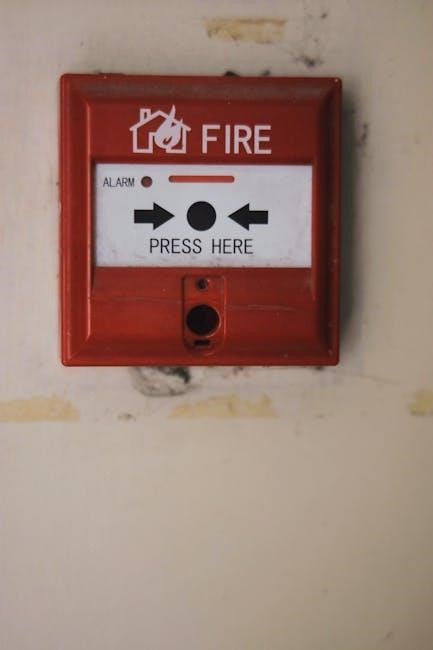
GE alarm systems respond to various triggers, including door and window breaches, motion detection, and potentially smoke or carbon monoxide detection, depending on the installed sensors. Upon triggering, a loud siren activates, both on the control panel and potentially external sounders, alerting occupants and deterring intruders.
Simultaneously, the system attempts to notify a monitoring center (if subscribed to a service), which then verifies the alarm and dispatches emergency services if necessary. Users also receive notifications via the mobile app, if enabled.
Understanding the specific sensors triggering the alarm is crucial. The system log typically records the zone number associated with the event. Promptly addressing the cause of the alarm and verifying its legitimacy is essential to avoid unnecessary emergency responses and potential fines.
Bypass Procedures for Sensors
Occasionally, a sensor may require temporary bypassing – for example, during window cleaning or when a pet is roaming a normally secured area. GE alarm systems allow for individual sensor bypass through the control panel or mobile app. Access the zone programming menu and select the specific sensor to bypass.
Bypassed sensors will not trigger the alarm while in this mode, but the system will typically indicate their bypassed status. Remember to re-enable the sensor immediately after the temporary condition has passed to maintain full security coverage.
Prolonged bypassing compromises system effectiveness. Always document bypassed sensors and the reason for the bypass. Incorrect bypassing can lead to vulnerabilities; consult the full manual for detailed instructions and safety precautions.

Troubleshooting Common Issues
Addressing typical problems like low batteries, false alarms, or communication failures is crucial for maintaining a reliable and effective GE alarm system.
Low Battery Alerts
GE alarm systems are designed with low battery alerts to proactively notify users when sensor or system batteries are running low. These alerts typically manifest as a “Low Battery” message displayed on the control panel’s keypad, or through audible chirping sounds emanating from the affected sensor itself. Ignoring these warnings can lead to system malfunction and compromised security.
To address a low battery alert, first identify the specific sensor or device triggering the notification. Consult the system’s user interface or zone map for clarification. Replace the battery with a fresh one of the correct type – typically AA or AAA. Ensure proper polarity during installation. After replacement, test the sensor to confirm functionality and clear the alert from the system.
Regular battery checks, even without alerts, are recommended as preventative maintenance. Consider utilizing high-quality, long-life batteries to extend the time between replacements. Some GE systems offer remote battery status monitoring via a mobile app, providing convenient oversight.
False Alarm Prevention
Minimizing false alarms is crucial for maintaining the reliability and effectiveness of your GE alarm system. False alarms can lead to unnecessary dispatches, fines, and a diminished response from emergency services. Proper system setup and user education are key preventative measures.
Ensure all sensors are correctly installed and adjusted, avoiding placement near heat sources, windows with direct sunlight, or areas with high foot traffic. Regularly test sensors to verify their functionality and sensitivity. Properly train all users on correct arming and disarming procedures, emphasizing the importance of entering valid codes.

Utilize bypass features for sensors prone to triggering false alarms due to pets or environmental factors. Review alarm history logs to identify recurring causes and adjust settings accordingly. Consider enabling features like two-way voice verification to confirm the legitimacy of an alarm event before dispatching authorities.
Communication Failures & Solutions
Maintaining consistent communication between your GE alarm system and the monitoring center is paramount for reliable security. Communication failures can occur due to various factors, including power outages, cellular network disruptions, or issues with the phone line.
Verify the power supply to the control panel and ensure the backup battery is functioning correctly. Check the cellular signal strength if using a cellular connection, and contact your service provider if signal is weak. For landline connections, confirm the phone line is active and properly connected.
Review the system’s event log for specific error messages related to communication failures. Contact your alarm monitoring company for assistance in diagnosing and resolving complex issues. Consider a system with dual communication paths (cellular and landline) for redundancy and increased reliability.

Advanced Features & Settings
Unlock the full potential of your GE alarm system with customizable options, remote access, and smart home integration for enhanced control.
Remote Access & Mobile App Control
Gain complete command of your GE alarm system from anywhere with convenient remote access capabilities. Utilizing a dedicated mobile application, available for both iOS and Android devices, users can effortlessly arm or disarm the system, review real-time status updates, and receive instant notifications regarding alarm events.
The app provides a user-friendly interface for managing system settings, adding or removing users, and customizing notification preferences. Furthermore, remote access allows for the ability to check sensor status, view event logs, and even control connected smart home devices, creating a truly integrated security experience.
Ensure a secure connection by utilizing strong passwords and enabling two-factor authentication for enhanced protection against unauthorized access. Regular app updates are crucial for maintaining optimal performance and benefiting from the latest security enhancements.
Customizable Alarm Notifications
GE alarm systems offer extensive customization options for alarm notifications, ensuring you receive the alerts that matter most, delivered precisely how you prefer. Through the mobile app or system control panel, users can tailor notifications based on specific zones, sensor types, and alarm events;
Choose from various notification methods, including push notifications, email alerts, and SMS messages, to stay informed regardless of your location or connectivity. Configure distinct notification schedules for different times of day or days of the week, minimizing disruptions during quiet hours.
Advanced settings allow for the prioritization of alerts, ensuring critical events receive immediate attention. Fine-tune notification details to include specific sensor names or event descriptions for quick and accurate identification.
Integration with Smart Home Devices
GE alarm systems seamlessly integrate with a growing ecosystem of smart home devices, enhancing security and convenience. Compatibility with platforms like Amazon Alexa and Google Assistant enables voice control of arming, disarming, and system status inquiries. Connect smart lighting to automatically illuminate upon alarm activation, deterring potential intruders.

Utilize smart locks to remotely lock or unlock doors, granting access to trusted individuals or emergency services. Integrate with smart thermostats to adjust temperature settings based on occupancy or alarm events, optimizing energy efficiency.
Through IFTTT (If This Then That) integration, create custom applets to trigger actions across various smart home devices based on alarm system events, expanding automation possibilities.