
Kosher Fish List: A Comprehensive Guide (Updated February 26, 2026)
Finding a reliable kosher fish list PDF proves challenging, as common names are inaccurate; species identification is crucial for ensuring adherence to kashrut guidelines.
The Challenge of Creating a Definitive Kosher Fish List
Establishing a universally accepted kosher fish list is remarkably difficult due to the inherent unreliability of common fish names. A single name, like “red snapper,” can represent multiple species, some kosher and others not. This ambiguity makes creating a definitive PDF resource problematic. The OU, for example, acknowledges this complexity and currently refrains from publishing a comprehensive list.
Furthermore, species like escolar demonstrate the issue; the name can refer to either a kosher (Ruvettus pretiosus) or non-kosher (Gempylus serpens) fish. Even “ling” encompasses six distinct species, most kosher, but requiring precise identification. A simple PDF list cannot account for these nuances, necessitating expert knowledge and careful scrutiny to ensure kashrut compliance.
Why Common Names Are Unreliable
Relying on common names for kosher fish identification is fundamentally flawed. As highlighted by the OU, these names lack precision and consistency, leading to potential errors. A “red snapper” sold in one location might be a kosher species, while another labeled identically could be non-kosher. This inconsistency renders a simple kosher fish list PDF inadequate for reliable halachic decision-making.
The example of “escolar” vividly illustrates this problem – two drastically different fish share the same common name. Similarly, “ling” represents six separate species. A PDF relying solely on common names offers no way to distinguish between kosher and non-kosher varieties, emphasizing the need for scientific species identification rather than consumer-level labeling.
The OU’s Position on Publishing a Fish List
The Orthodox Union (OU) currently refrains from publishing a comprehensive kosher fish list PDF due to the inherent difficulties in ensuring accuracy. They acknowledge the unreliability of common fish names, which creates a significant challenge in definitively classifying species as kosher or non-kosher. Creating a trustworthy resource requires meticulous scientific verification, a process that is both complex and ongoing.
The OU’s stance isn’t a dismissal of the need for guidance, but a recognition of the potential for misleading consumers. A flawed list could inadvertently permit non-kosher fish, violating kashrut principles. Therefore, they prioritize accuracy over providing an incomplete or potentially inaccurate PDF resource, emphasizing the importance of expert rabbinic consultation.

Generally Accepted Kosher Fish Species
Generally, anchovy, bass, carp, cod, flounder, haddock, and halibut are considered kosher, forming the basis of many kosher fish list PDF resources available.
Anchovy
Anchovies are widely accepted as kosher fish, frequently appearing on comprehensive kosher fish list PDFs. Their small size and distinct features aid in reliable identification, minimizing confusion with non-kosher species. However, it’s crucial to verify the source and handling of anchovies to ensure kashrut compliance throughout the supply chain.
Specifically, ensuring anchovies haven’t come into contact with non-kosher substances during processing or packaging is paramount. Kosher certification agencies often oversee anchovy production to guarantee adherence to strict dietary laws. When consulting a kosher fish list PDF, look for specific certifications or guidance regarding anchovy sourcing for optimal assurance.

Bass
Bass generally appears on most kosher fish list PDFs, but identifying the specific type of bass is essential. Several species fall under the “bass” umbrella, and kosher status isn’t universal across all varieties. Striped bass, for example, is commonly considered kosher, while other types may require further investigation or rabbinical guidance.
When referencing a kosher fish list PDF, carefully note any qualifications or species specifications listed under “bass.” Always prioritize purchasing bass from reputable sources with reliable kosher certifications. Proper handling and preparation are also vital to maintain kashrut standards, ensuring no contact with non-kosher ingredients or equipment occurs.
Carp
Carp consistently features on comprehensive kosher fish list PDFs, enjoying widespread acceptance within kosher dietary laws. However, like many fish, the term “carp” can encompass multiple species, necessitating careful attention to detail. Common carp (Cyprinus carpio) is generally considered kosher, appearing frequently on approved lists.
When consulting a kosher fish list PDF, verify the specific species listed under “carp” to avoid confusion. Sourcing carp from a certified kosher supplier is paramount, guaranteeing adherence to strict kashrut standards throughout the supply chain. Proper scaling and inspection remain crucial steps in kosher preparation, ensuring complete removal of any non-kosher elements.
Cod
Cod is a frequently cited kosher fish in available list PDFs, widely accepted by kosher authorities due to its easily identifiable scales and fins. Atlantic cod (Gadus morhua) is the most commonly consumed species and generally appears on approved lists. However, consumers should exercise caution, as regional names can be misleading.
When reviewing a kosher fish list PDF, confirm the specific cod species listed. Sourcing cod from a reputable, kosher-certified supplier is vital to ensure adherence to kashrut standards. Thorough inspection for parasites is also recommended, alongside proper scaling and preparation techniques, as outlined in kosher dietary guidelines.

Flounder
Flounder consistently appears on kosher fish list PDFs, generally considered a kosher species due to possessing easily discernible scales and fins. However, identifying the specific flounder species is crucial, as variations exist. Several types of flounder are commonly available, and most are accepted within kosher guidelines.
When consulting a kosher fish list PDF, verify the species name if possible. Sourcing flounder from a reliable, kosher-certified vendor minimizes risk. Proper preparation, including thorough scaling and inspection for any potential issues, remains essential. Consumers should prioritize clarity regarding species identification to confidently adhere to kashrut laws.

Haddock

Haddock is frequently included on kosher fish list PDFs as a generally accepted kosher species, possessing the requisite scales and fins for kashrut compliance. It’s a popular choice due to its mild flavor and firm texture, making it versatile in various kosher recipes. However, as with all fish, proper identification remains paramount.
When referencing a kosher fish list PDF, confirm the source’s reliability and any specific notes regarding haddock. Purchasing from a certified kosher supplier offers added assurance. Thorough inspection upon receipt, ensuring no prohibited species are mixed in, is always recommended. Maintaining these standards guarantees adherence to kosher dietary laws.
Halibut
Halibut consistently appears on reputable kosher fish list PDFs, widely recognized as a kosher species due to its clearly defined scales and fins, fulfilling the necessary criteria for kashrut. Its substantial, white flesh makes it a favored selection for both everyday meals and festive occasions within kosher households. However, vigilance regarding accurate species identification is essential.
When consulting a kosher fish list PDF, prioritize sources from established kosher authorities. Purchasing halibut from a certified kosher fishmonger provides an extra layer of confidence. Careful examination of the fish itself, verifying its characteristics, is always prudent. Adhering to these practices ensures full compliance with kosher dietary regulations.
Herring
Herring is generally accepted as kosher and frequently included on kosher fish list PDFs, benefiting from a long-standing tradition of kosher acceptance. Its easily identifiable scales and fins align with the requirements of kashrut. Commonly enjoyed pickled, smoked, or as part of traditional Jewish cuisine, herring offers a versatile kosher option.
However, when referencing a kosher fish list PDF, be mindful of processing methods. Kosher certification is vital if herring is prepared with non-kosher ingredients or equipment. Sild, a type of herring, is also typically considered kosher. Always prioritize purchasing herring from a reputable source with reliable kosher supervision to guarantee adherence to dietary laws.
Ling (Species Considerations)
Ling presents a unique challenge when consulting a kosher fish list PDF, as the name encompasses six distinct species according to Fishbase.org. While most Ling species are indeed kosher, possessing the requisite scales and fins, accurate identification is paramount. This complexity underscores the unreliability of relying solely on common names for kashrut determination.

A comprehensive kosher fish list PDF should ideally specify which Ling species are considered acceptable. The OU highlights this issue, emphasizing the difficulty in creating a definitive list due to such ambiguities. Consumers should seek clarification from a knowledgeable rabbi or rely on products with reliable kosher certification to ensure compliance with Jewish dietary laws.

Kosher Fish with Potential Identification Issues
A kosher fish list PDF often encounters problems with species like mackerel, mullet, and perch, where variations exist and proper identification is vital.
Mackerel
Mackerel presents a notable challenge when consulting a kosher fish list PDF. While generally accepted as kosher, accurate species identification is paramount. Several mackerel varieties exist, and misidentification could lead to consuming a non-kosher fish. The OU highlights the unreliability of common names, noting that “mackerel” can encompass different species with varying kosher status.
Consumers relying on a PDF list must be cautious and ideally verify the specific mackerel species with a knowledgeable authority. Detailed information, like that found on FishBase (www.fishbase.org), can aid in proper identification. It’s crucial to remember that a simple “mackerel” designation isn’t sufficient for kosher certification; precise species confirmation is essential for adherence to kashrut.
Mullet (Grey & Red Varieties)
Navigating a kosher fish list PDF regarding Mullet requires careful attention to variety. Both Grey and Red Mullet are listed as potentially kosher, but the OU emphasizes the dangers of relying solely on common names. The term “Mullet” itself is imprecise, potentially masking non-kosher species. A PDF list might not differentiate adequately between acceptable and unacceptable types.
Therefore, consumers should exercise caution and seek clarification from a reliable kashrut authority. Detailed species identification, beyond simply “Grey” or “Red,” is vital. The OU’s stance underscores the difficulty in creating a definitive list due to these naming inconsistencies. Confirming the specific species is crucial for ensuring kosher compliance when using a PDF resource.
Perch
A kosher fish list PDF will generally include Perch as an accepted species, however, relying solely on a PDF can be misleading. The inherent problem lies in the ambiguity of common names; “Perch” doesn’t guarantee kosher status across all varieties. Different species fall under this umbrella term, and some may lack the necessary kosher signs.
Therefore, verifying the specific type of Perch is paramount. A comprehensive PDF should ideally detail the accepted species, but often lacks this granularity. The OU’s caution regarding common names directly applies here. Consulting with a knowledgeable kashrut authority alongside referencing a PDF is highly recommended to ensure proper adherence to dietary laws and avoid potential issues.
Pike
A kosher fish list PDF typically lists Pike as a kosher fish, but, as with many species, relying solely on a PDF presents risks. The core issue, highlighted by the OU, is the unreliability of common names. “Pike” encompasses various species, and a PDF might not differentiate between kosher and non-kosher varieties.
Therefore, precise species identification is crucial. A detailed PDF should specify accepted Pike species, but this information is often absent. The potential for misidentification, mirroring the “Ling” example cited, is significant. Supplementing a PDF with guidance from a trusted kashrut authority is essential for confident adherence to kosher dietary laws, ensuring the Pike consumed meets the required standards.
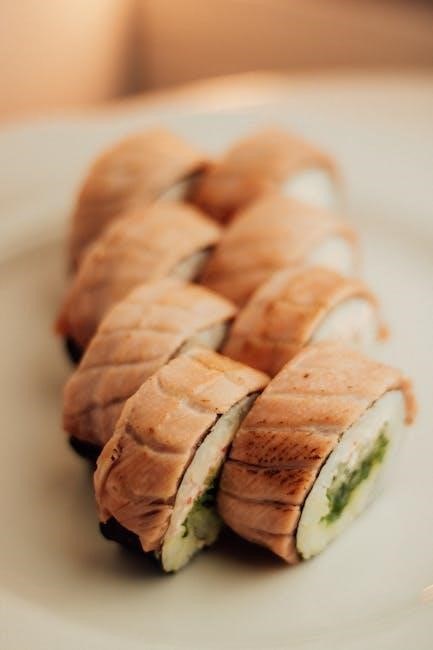
Salmon
A kosher fish list PDF will generally include Salmon as a kosher species, however, relying solely on a PDF is insufficient for definitive confirmation. The OU emphasizes the pitfalls of common names, and “Salmon” isn’t immune to this issue. Different salmon varieties exist, and a basic PDF may lack the specificity needed for accurate identification.
While widely accepted as kosher, verifying the source and ensuring proper shechita (if applicable) remains vital. A comprehensive PDF should ideally detail accepted salmon species, but often doesn’t. Therefore, consulting a knowledgeable kashrut authority alongside a PDF is recommended. This dual approach minimizes the risk of consuming non-kosher salmon due to misidentification or improper handling.
Snapper (Red Snapper Specifics)
A kosher fish list PDF often presents challenges with Snapper, particularly “Red Snapper”, highlighting the OU’s warning about unreliable common names. Multiple fish species are marketed as Red Snapper, and not all are kosher. A simple PDF listing “Snapper” is insufficient; specificity is paramount.
Identifying the correct Red Snapper species is crucial. A reliable PDF should ideally specify which varieties are considered kosher, but this information is frequently absent. Consumers should exercise caution and consult with a kashrut authority. Relying solely on a PDF can lead to mistakenly consuming a non-kosher fish labeled as Red Snapper. Thorough verification beyond a basic list is essential for adherence to kosher dietary laws.

Fish Requiring Further Investigation/Debate
Kosher fish list PDFs often lack definitive rulings on species like Swordfish and Tuna, reflecting differing rabbinical opinions and ongoing kashrut discussions.
Swordfish & Sailfish (Authority Differences)
Determining the kosher status of Swordfish and Sailfish presents a complex challenge, frequently highlighted within kosher fish list PDFs. The core of the debate revolves around their predatory nature and whether they possess scales beneath their skin – a fundamental requirement for kosher fish. Some authorities permit their consumption, citing historical precedent and anatomical considerations suggesting the presence of cycloid scales.
However, other prominent poskim (halachic authorities) maintain they are non-kosher, emphasizing their large size, predatory habits resembling those of non-kosher fish, and the difficulty in definitively proving the presence of kosher scales. This discrepancy leads to varied rulings and a lack of universal consensus, making it crucial for consumers to consult their local Orthodox rabbi for guidance. Kosher certification agencies often reflect these differing opinions, with some certifying these species and others avoiding them.
Tuna
Tuna’s kosher status is generally accepted, frequently appearing on comprehensive kosher fish list PDFs, though nuances exist. Most varieties – including Albacore, Yellowfin, and Bluefin – are considered kosher due to possessing easily identifiable scales. However, careful attention to processing is vital; ensuring no non-kosher fish or ingredients are introduced during canning or preparation is paramount.
Consumers should prioritize tuna products with reliable kosher certification, guaranteeing adherence to strict kashrut standards. While generally permissible, some authorities advise caution regarding certain tuna species or cuts, emphasizing the importance of proper identification. The availability of kosher-certified tuna varies geographically, so checking certification symbols is essential when sourcing this popular fish.