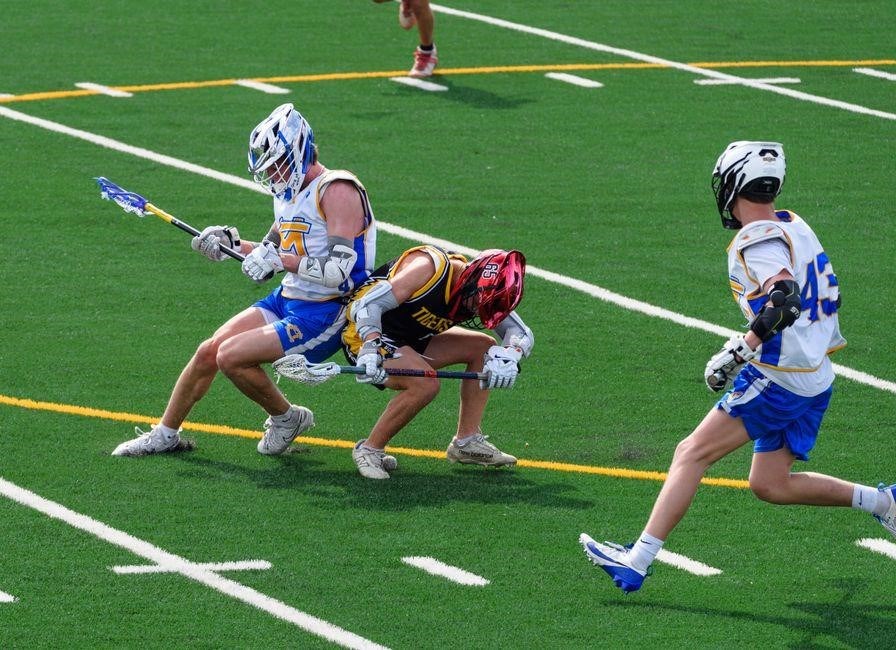
Overview of 4‑4 Defensive Alignment
The 4‑4 defensive alignment places two defensive ends, two defensive tackles, two inside linebackers, two outside linebackers, a cornerback, and a safety. Defensive tackles engage the guard and control the gap, while ends target the offensive tackle or end. Playbook PDFs provide detailed schemes. The PDF includes diagrams
Key Personnel Responsibilities in a 4‑4 Defense

In a 4‑4 defensive scheme, each position has defined responsibilities that are critical to the overall success of the unit. The defensive line, consisting of two defensive ends (DE) and two defensive tackles (DT), must engage the offensive line, establish gap control, and create pressure on the quarterback. Defensive tackles focus on the interior gaps, making contact with the guard and controlling the gap either toward or away from the strength of the offensive line. Defensive ends line up outside the tackles and target the offensive tackle or end, using speed and technique to disrupt the pass or run.
Inside linebackers (ILB) are the backbone of the 4‑4 defense. They read the play, maintain gap integrity, and are responsible for run support and coverage. Outside linebackers (OLB) provide additional pass rush, often blitzing from the edge, and must be adept at covering tight ends or slot receivers when the play is a short pass.
Cornerbacks (CB) and safeties (S) are tasked with covering the deep and intermediate zones. The CBs must read the quarterback and defend against route combinations, while the safety provides support in both run and pass defense, often acting as the last line of defense against big plays.
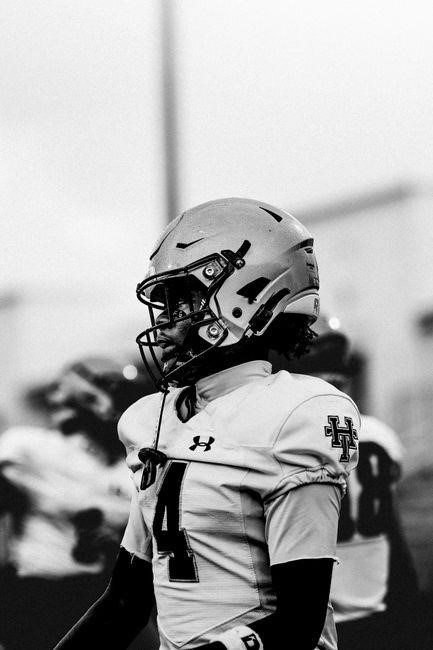
All personnel must communicate effectively, adjust to offensive formations, and execute assignments as outlined in the 4‑4 defense playbook PDF; The playbook offers diagrams, terminology, and detailed instructions for each position, ensuring that every player understands their role in the scheme.!!
In a 4‑4 defensive alignment, the defensive line is divided into two defensive ends (DE) and two defensive tackles (DT). Each lineman is assigned a specific gap that must be maintained throughout the play. Defensive tackles line up inside the guards and are responsible for controlling the A‑gap and B‑gap. They must make first‑contact with the guard, then either push the guard toward the center or hold the line of scrimmage to prevent penetration. Defensive ends line up on the outside of the tackles and target the offensive tackle or end. Their primary assignment is to contain the edge, disrupt the quarterback’s pocket, and collapse the interior gaps by using speed, leverage, and hand placement. The playbook PDF outlines specific gap‑control techniques such as the “push‑away” method for DTs, which involves pushing the guard toward the center while maintaining a tight stance, and the “stay‑in‑gap” technique for DEs, where the end keeps the tackle in place and forces the offensive line to commit to a single gap. Both ends and tackles must read the offensive line’s blocking scheme, anticipate stunts or twists, and adjust their stance accordingly. The 4‑4 defense relies on disciplined gap control to prevent the offense from finding open lanes, and the playbook provides drill instructions, film study notes, and schematic diagrams that detail how each lineman should position themselves relative to the offensive guard, tackle, and center. By mastering these assignments, the defensive line can create pressure, stop the run, and set the tone for the linebackers and secondary. The PDF also includes video analysis of elite linemen, highlighting footwork and hand placement, ensuring that every player understands the nuances of gap control.
Linebacker and Defensive Back Roles
In the 4‑4 defense, the two inside linebackers (ILB) and two outside linebackers (OLB) serve as the core of the run‑stopping and short‑pass coverage units. ILBs line up directly behind the defensive tackles and are tasked with gap control, reading the guard’s block, and filling the B‑gap to stop inside runs. They also drop into short‑zone coverage against tight ends and slot receivers, using quick lateral movement to keep the ball in front of them. OLBs line up outside the defensive ends and have a dual responsibility: they must contain the edge on outside runs, preventing the ball carrier from turning the corner, and they frequently blitz the quarterback on short‑to‑mid‑range plays. When not blitzing, OLBs drop into intermediate zones or man coverage on the outside receivers, using speed to chase down the ball. The defensive backs consist of two cornerbacks (CB) and one safety (S). CBs are positioned on the line of scrimmage or slightly off the line and focus on man coverage against the wide receivers, using backpedal and hip‑turn techniques to stay in front of the route. They also support the run by providing help over the top when the ball carrier breaks into the secondary. The safety lines up deep in the middle of the field and is responsible for both run support and pass coverage. In run situations, the safety drops to the line of scrimmage or the 5‑to‑10 yard line to read the play and fill the open gap. In pass situations, the safety chooses between man or zone coverage, often acting as the last line of defense against deep routes. The playbook PDF provides detailed assignments for each linebacker and defensive back, including gap‑reading drills, coverage footwork, and blitz timing, ensuring that every player knows their role in both run and pass defense. By mastering these responsibilities, the 4‑4 defense creates a cohesive unit that can adapt to various offensive formations while maintaining disciplined gap control and coverage integrity. The PDF also includes video clips of elite linebackers and defensive backs demonstrating proper technique, as well as schematic diagrams that illustrate how each player should shift in response to offensive motion. Coaches can use these resources to drill specific scenarios, such as a 3‑down run to the outside, a 4‑down pass to a tight end, or a 2‑down play‑action. By reinforcing these concepts, the 4‑4 defense becomes a versatile front that can pressure the quarterback, stop the run, and cover the pass without sacrificing balance or discipline. Additionally, the playbook outlines conditioning programs tailored for linemen and defensive backs, ensuring they maintain peak performance throughout the season.
Common 4‑4 Blitz Packages
Typical 4‑4 blitzes feature two outside linebackers and one inside, or a rush. Common schemes include the “T‑blitz” where both OLBs rush through the gaps, the “S‑blitz” with a single OLB and a safety, and the “gap” where both ILBs attack the B‑gap. These packages force the QB to hurry, and open holes for the run.
Alignment Diagram: DE, DT, ILB, OLB, CB, Safety
In a 4‑4 defensive playbook PDF, the alignment diagram is the cornerstone that translates strategy into on‑field execution. The diagram typically presents a top‑down view of the defensive front, labeling each player’s role and the gaps they must control. At the base are two defensive ends (DE) positioned just inside the offensive tackles, tasked with setting the edge and preventing outside runs. Directly in front of them are two defensive tackles (DT) aligned over the offensive guards; these linemen must establish interior pressure, occupy the A‑ and B‑gaps, and disrupt the pocket. Moving toward the middle of the line, the diagram shows two inside linebackers (ILB) lined up over the offensive tackles or guards, depending on the play call. These ILBs are the linchpin of the 4‑4 scheme, responsible for gap control, run stopping, and short‑to‑mid‑range coverage. The two outside linebackers (OLB) are positioned slightly behind the defensive line, ready to either drop into coverage or rush the quarterback. Their placement is critical for blitz packages and for maintaining balance against the run. The diagram also highlights a cornerback (CB) aligned on the outside of the defensive line, tasked with man or zone coverage over the opposing wide receivers. Finally, the safety is depicted in a deeper position, often in a “slot” or “deep” role, providing run support and pass coverage over the middle of the field. The alignment diagram in the PDF is usually accompanied by color‑coded lines indicating the flow of the defense, the assignment of each gap, and the expected movement of each player during the play. By studying this diagram, coaches can quickly communicate the defensive philosophy, while players can internalize their specific responsibilities and the overall shape of the 4‑4 defense.
In a 4‑4 defensive playbook PDF, the alignment diagram is the cornerstone that translates strategy into on‑field execution. The diagram typically presents a top‑down view of the defensive front, labeling each player’s role and the gaps they must control. At the base are two defensive ends (DE) positioned just inside the offensive tackles, tasked with setting the edge and preventing outside runs. Directly in front of them are two defensive tackles (DT) aligned over the offensive guards; these linemen must establish interior pressure, occupy the A‑ and B‑gaps, and disrupt the pocket. Moving toward the middle of the line, the diagram shows two inside linebackers (ILB) lined up over the offensive tackles or guards, depending on the play call. These ILBs are the linchpin of the 4‑4 scheme, responsible for gap control, run stopping, and short‑to‑mid‑range coverage. The two outside linebackers (OLB) are positioned slightly behind the defensive line, ready to either drop into coverage or rush the quarterback. Their placement is critical for blitz packages and for maintaining balance against the run. The diagram also highlights a cornerback (CB) aligned on the outside of the defensive line, tasked with man or zone coverage over the opposing wide receivers. Finally, the safety is depicted in a deeper position, often in a “slot” or “deep” role, providing run support and pass coverage over the middle of the field. The alignment diagram in the PDF is usually accompanied by color‑coded lines indicating the flow of the defense, the assignment of each gap, and the expected movement of each player during the play. By studying this diagram, coaches can quickly communicate the defensive philosophy, while players can internalize their specific responsibilities and the overall shape of the 4‑4 defense.
The defensive tackles (DT) are the engine that drives interior pressure and gap integrity. The diagram shows DTs aligned over the offensive guards, with one DT on the A‑gap and the other on the B‑gap; Their primary responsibility is to engage the guard, maintain a solid base, and then control the assigned gap—either by pushing the guard toward the center or by holding the line of scrimmage and preventing penetration. The playbook outlines several techniques: the “two‑tech” stance, where the DT uses a short, powerful stance and a quick first step to disrupt the guard’s blocking angle; the “one‑tech” stance, which emphasizes speed and agility to collapse the pocket from the outside; and the “power‑tech” stance, where the DT uses a longer stance and a heavier hand placement to absorb double teams. Gap control is achieved through a combination of hand placement, footwork, and leverage. The DT must keep the hand inside the guard’s shoulder line, use the elbow to block the guard’s knee, and drive the guard back toward the center of the line.
Gap control is achieved the ! The DT must keep the hand inside the guard’s shoulder line, use the elbow to block the guard’s knee, and drive the guard back toward the center of the line. It tightens gaps!!
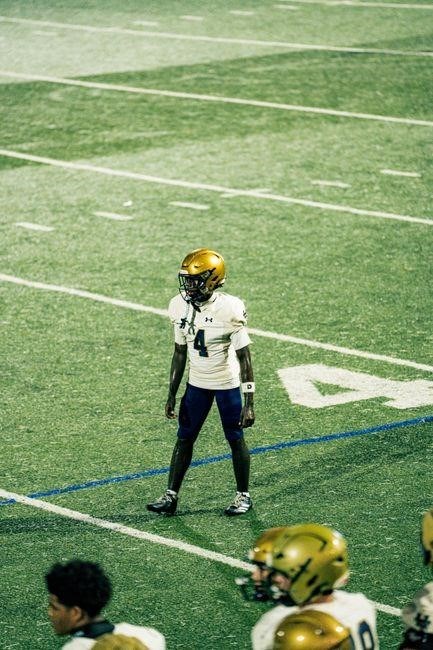
By doing so, the DT forces the guard to either stay in the gap or collapse, creating a lane for the inside linebacker to follow.
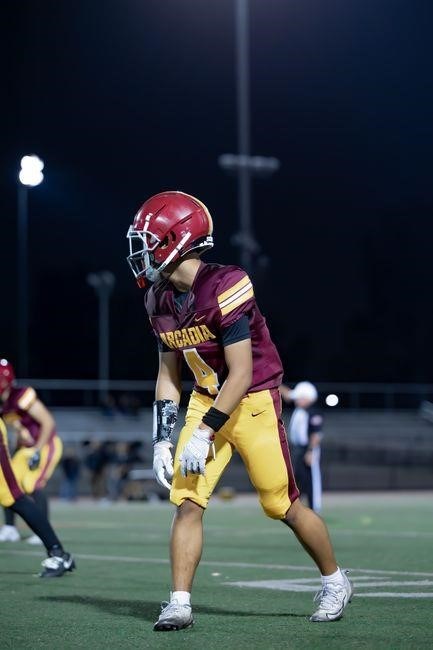
The playbook also details how DTs should read the play: if the guard blocks the outside, the DT must shift to the inside gap; if the guard blocks the inside, the DT must stay in the original gap.
These adjustments are critical for maintaining gap integrity and preventing the offense from creating running lanes.
In pass situations, the DT’s gap control allows the outside linebackers to drop into coverage or blitz without leaving a gap open.
The playbook’s diagrams illustrate the DT’s stance, hand placement, and the expected movement during a run or pass play, providing a visual reference that coaches can use to drill technique and players can use to internalize the role.
Mastery of these gap control techniques is essential for any 4‑4 defense that aims to dominate the interior line and dictate the flow of the game.
Defensive Ends Targeting Offensive Tackles/Ends
The defensive end (DE) in a 4‑4 alignment serves as the edge defender, tasked with neutralizing the offensive tackle or end. According to the playbook PDF, the DE’s stance is two‑foot with a slight stagger to create a strong base. The first step is critical: the DE must drive the tackle toward the interior, using a short, powerful burst to collapse the pocket. The DE’s hand placement keeps the tackle’s shoulder line in check, preventing a drive to the outside. By maintaining a tight gap, the DE forces the tackle to either block the interior or step outside, creating a lane for the inside linebacker to pursue. The playbook emphasizes the DE’s ability to read the play: if the tackle commits to a run block, the DE should shift to the inside gap; if the tackle stays in the pass block, the DE should stay on the edge. This read allows the DE to adjust on the fly and maintain gap integrity. In pass coverage, the DE’s speed and agility allow him to drop into a shallow zone or chase a ball carrier back toward the line, providing support against short passes. The PDF also includes a series of drills: the “edge‑set drill” to improve footwork, the “hand‑placement drill” to sharpen the blocking angles, and the “gap‑control drill” to reinforce the DE’s ability to hold the tackle in place. By mastering these techniques, the DE becomes a versatile defender who can pressure the quarterback, collapse the run, and support the secondary when necessary. The end’s agility also aids in press coverage. The DE’s lateral and movement forces the tackle to shift, creating a misalignment that linebackers exploit!!
Inside Linebacker Coverage Responsibilities
In the 4‑4 defensive scheme, the inside linebacker (ILB) is the central figure in both run and pass coverage. The playbook PDF outlines a dual‑role philosophy: the ILB must first read the offensive line’s alignment, then decide whether to stay in the box or drop into short‑zone coverage. When the play is a run, the ILB lines up directly over the center or guard, using a “gap‑control” stance to read the snap. If the offensive tackle steps inside, the ILB follows the tackle’s movement, closing the gap and preventing a breakout run. In pass situations, the ILB shifts to a “cover‑3” or “cover‑2” zone, depending on the defensive coordinator’s call. The ILB’s primary zone is the middle third of the field, where he must read the quarterback’s eyes and the ball’s trajectory. The PDF emphasizes the importance of “pre‑read” techniques: the ILB watches the offensive guard’s footwork and the snap count to anticipate a pass. Once the ball is thrown, the ILB uses a “step‑and‑slide” motion to close the gap, staying between the ball and the line of scrimmage. The ILB also has a “press” responsibility against tight ends on short routes, using hand placement to disrupt the route and force a turnover. The playbook includes drills such as the “gap‑control drill,” the “zone‑drop drill,” and the “press‑coverage drill.” These drills reinforce the ILB’s ability to read, react, and cover, ensuring that the 4‑4 defense remains balanced against both run and pass plays. By mastering these responsibilities, the ILB becomes the backbone of the defensive front, translating the coach’s strategy into on‑field execution. All skills sharpened. and. OK.
Outside Linebacker Blitz Movements
In a 4‑4 defensive playbook PDF, the outside linebackers (OLBs) are the primary weapons for creating pressure on the quarterback while maintaining run support. The OLB blitz package is built around speed, misdirection, and disciplined gap control. The playbook outlines three core blitz types: the “Slide‑Stunt,” the “Fire‑and‑Forget,” and the “Drop‑Back‑Drop.” Each type requires the OLB to read the offensive guard’s stance, then decide whether to engage the guard, the tackle, or the tight end. The “Slide‑Stunt” involves the OLB sliding past the defensive tackle, then stunting with the guard to create a gap on the backside. The “Fire‑and‑Forget” is a pure pass rush; the OLB drops back a step, then explodes through the gap, using a “step‑and‑slide” technique to keep the quarterback off‑balance. The “Drop‑Back‑Drop” is a hybrid: the OLB drops back to cover a short route, then drops into the middle to blitz if the ball is thrown deep. The playbook PDF also includes a “Zone‑Blitz” variation, where the OLB drops into the middle third of the field while the defensive line drops into the gaps, creating a “gap‑control” blitz that forces the quarterback to make a quick decision. Each blitz is accompanied by a “gap‑control” diagram that shows the OLB’s path, the defensive line’s assignment, and the coverage responsibilities of the inside linebacker and defensive backs. The OLB must maintain a “gap‑control” stance, keeping his shoulder aligned with the line of scrimmage, then use a “step‑and‑slide” motion to avoid being jammed at the line. The PDF also emphasizes the importance of “pre‑read” techniques: the OLB watches the offensive guard’s footwork and the snap count to anticipate a pass. Once the ball is thrown, the OLB uses a “step‑and‑slide” motion to close the gap, staying between the ball and the line of scrimmage. By mastering these movements, the OLB becomes a key element of the 4‑4 defense, creating pressure while maintaining coverage responsibilities.

Training drills such as the “Blitz‑Read Drill,” the “Gap‑Control Drill,” and the “Stunt‑Practice” are included in the PDF. These drills teach OLBs to read the snap count, maintain a low pad level, and use a “step‑and‑slide” technique to avoid being jammed. The playbook also provides a “Blitz‑Timing Chart” that shows the exact timing of the OLB’s movement relative to the snap, ensuring that the OLB can reach the quarterback before the offensive line can block. The OLB’s responsibilities are further clarified by the “Blitz‑Coverage Matrix,” which maps the OLB’s coverage responsibilities against each defensive back’s zone. By mastering these drills and charts, the OLB can execute blitzes with precision, forcing the quarterback to make hurried decisions and increasing the likelihood of a sack or forced turnover.
Finally, the playbook stresses the importance of communication. The OLB must call out “blitz” or “drop” signals to the defensive line and linebackers, ensuring that the entire front stays coordinated. This coordination is essential for maintaining gap integrity and preventing defensive gaps from opening.
Cornerback Zone Coverage Patterns
The 4‑4 defense playbook PDF details three primary cornerback zone coverage patterns: Cover‑2, Cover‑3, and Cover‑4. Each pattern assigns specific responsibilities to the cornerback, ensuring balanced run support and pass coverage. In Cover‑2, the cornerback covers the deep middle third of the field, while the safety splits the deep halves. The cornerback must read the quarterback’s eyes, maintain a “shallow‑deep” stance, and use a “step‑and‑slide” motion to stay in front of the receiver. In Cover‑3, the cornerback covers the deep outside third, with the safety covering the deep middle third. The cornerback’s primary focus is to prevent a deep route, using a “shallow‑deep” stance and a “step‑and‑slide” motion to keep the receiver in a “shallow‑deep” zone. In Cover‑4, the cornerback covers the deep outside third, while the safety covers the deep middle third. The cornerback’s primary focus is to prevent a deep route, using a “shallow‑deep” stance and a “step‑and‑slide” motion to keep the receiver in a “shallow‑deep” zone. The playbook PDF also includes a “Zone‑Coverage Diagram” that shows the cornerback’s coverage responsibilities, the defensive line’s assignment, and the coverage responsibilities of the inside linebacker and defensive backs. The cornerback must maintain a “gap‑control” stance, keeping his shoulder aligned with the line of scrimmage, then use a “step‑and‑slide” motion to avoid being jammed at the line. The cornerback must maintain a “gap‑control” stance, keeping his shoulder aligned with the line of scrimmage, then use a “step‑and‑slide” motion to avoid being jammed at the line. The PDF also emphasizes the importance of “pre‑read” techniques: the cornerback watches the offensive guard’s footwork and the snap count to anticipate a pass. By mastering movements, the cornerbackb The playbook PDF also includes drill charts and diagramsand to aid coaches in teaching the 4‑4 defense. The playbook PDF also contains a playbook of defensive drills and a glossary of key terminology for coaches.
Popular 4‑4 Playbooks Available in PDF Format
Coaches and players seeking a comprehensive 4‑4 defense strategy can turn to a variety of PDF playbooks that detail line formations, linebacker assignments, and coverage schemes; The most widely cited resources include the “National Football League Seasons” playbook, which offers a collection of 4‑4 alignments used by NFL teams over the past decade. Another popular PDF is the “4‑4 Defense Playbook for Youth Football,” which provides age‑appropriate drills, schematic diagrams, and coaching tips for high‑school and junior‑high teams. For advanced tactics, the “4‑4 Defense Blitz Techniques Guide” PDF outlines eight distinct blitz packages, complete with stunts, twists, and gap‑control instructions. Many of these playbooks are available for free download on reputable coaching websites, while others require a subscription or purchase. When selecting a PDF, coaches should consider the level of play, the desired coverage philosophy, and the complexity of the schemes presented. All of these playbooks are designed to be user‑friendly, with clear diagrams, terminology glossaries, and step‑by‑step instructions that enable teams to implement a solid 4‑4 defense on the field.
- Playbook A: Focus on zone coverageand support now.
- Playbook B: Emphasizes aggressive stunts and blitz and stunts.
- Playbook C: Gap control drills for tackles, quick.
- Playbook D: Highlights responsibilities for CBs, deep!
- Playbook E: Focuses on OLB blitz and stunts quick.
- Playbook F: Offers strategies levels, now quick!!
These PDFs are tools for a resilient 4‑4 defense.