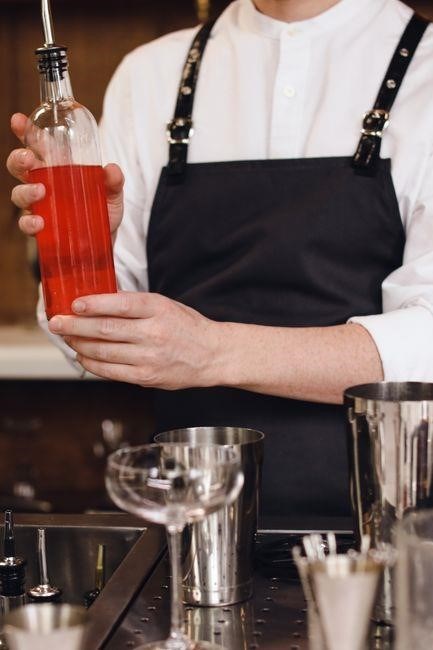
This PDF outlines the core duties and responsibilities of a bartender, offering a concise overview of essential tasks, teamwork, and service standards. It serves as a quick reference guide for newcomers and seasoned professionals alike, highlighting key expectations best practices.Use it daily for reference now!!
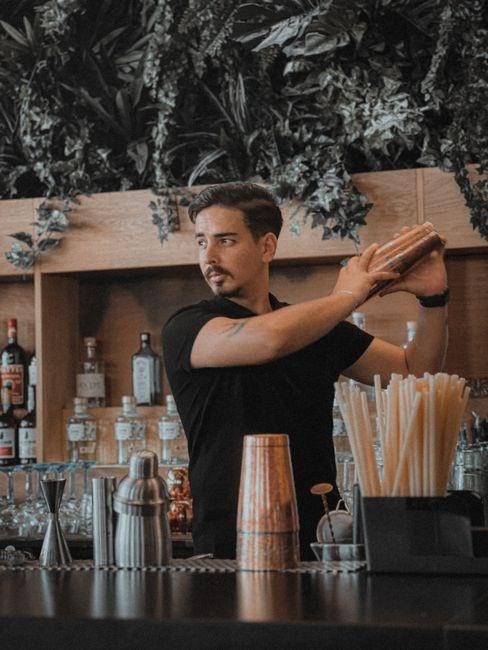
Role of the Bartender

The bartender serves as the frontline hospitality professional, blending mixology expertise with customer service. They manage inventory, maintain cleanliness, and ensure compliance with regulations, all while creating memorable experiences for patrons!Their role demands precision, creativity, and a keen eye in!
Core Responsibilities
At the heart of every successful bar, the bartender’s core responsibilities form the backbone of smooth operation and exceptional guest experience. First and foremost, the bartender’s custodians of inventory: meticulously tracking stock levels, forecasting demand, and placing timely orders to avoid shortages or excess. This requires a keen eye for detail and a systematic approach to inventory management, often supported by digital tools that sync real‑time data with suppliers. Second, the bartender is the primary point of contact for patrons, blending hospitality with mixology. They greet guests, recommend drinks based on preferences, and ensure that each order is executed with precision—shaking, stirring, garnishing, and presenting cocktails that meet the establishment’s standards. They also monitor over‑serving daily!!!. Third, cash handling and transaction accuracy are critical. Bartenders reconcile tabs, process payments, and maintain accurate records, often using POS systems that integrate with the bar’s accounting software. Fourth, they uphold health and safety regulations by maintaining a clean, organized workspace, sanitizing equipment, and following food‑service guidelines. This includes proper storage of alcohol, safe handling of glassware, and compliance with local health codes. Fifth, the bartender collaborates with the kitchen and front‑of‑house staff to coordinate service flow, manage special events, and troubleshoot any operational hiccups. Finally, they contribute to the bar’s creative vision by experimenting with new recipes, staying current with industry trends, and training junior staff. Together, these responsibilities ensure that bar operates efficiently, remains compliant, delivers a consistently high‑quality experience to every guest.
Customer Interaction
Effective bartender‑guest communication is the cornerstone of a lively bar. The bartender greets each patron with a friendly smile, quickly assessing preferences and suggesting signature drinks or seasonal specials. They listen attentively, noting dietary restrictions or alcohol limits, and adjust recipes accordingly. During service, the bartender maintains eye contact, uses clear, concise language, and confirms orders before preparation. They also read body language to gauge satisfaction, offering refills or new options proactively. A skilled bartender balances speed with personal touch, ensuring each guest feels valued without compromising efficiency. They manage group dynamics, seating arrangements, and crowd flow, preventing bottlenecks. When conflicts arise—such as a dissatisfied customer or a mis‑served order—the bartender remains calm, apologizes, and resolves the issue swiftly, often turning a negative experience into a positive one. They also engage in light conversation, sharing trivia about cocktails or upcoming events, which builds rapport and encourages repeat visits. Throughout the shift, the bartender monitors the overall atmosphere, adjusting music, lighting, and pacing to match the crowd’s energy. By blending hospitality, attentiveness, and problem‑solving, the bartender creates a welcoming environment that keeps guests coming back for more. Customers value the bartender’s attentiveness, andthe bar’s reputation grows as each visit becomes a memorableexperience again!
Daily Operations
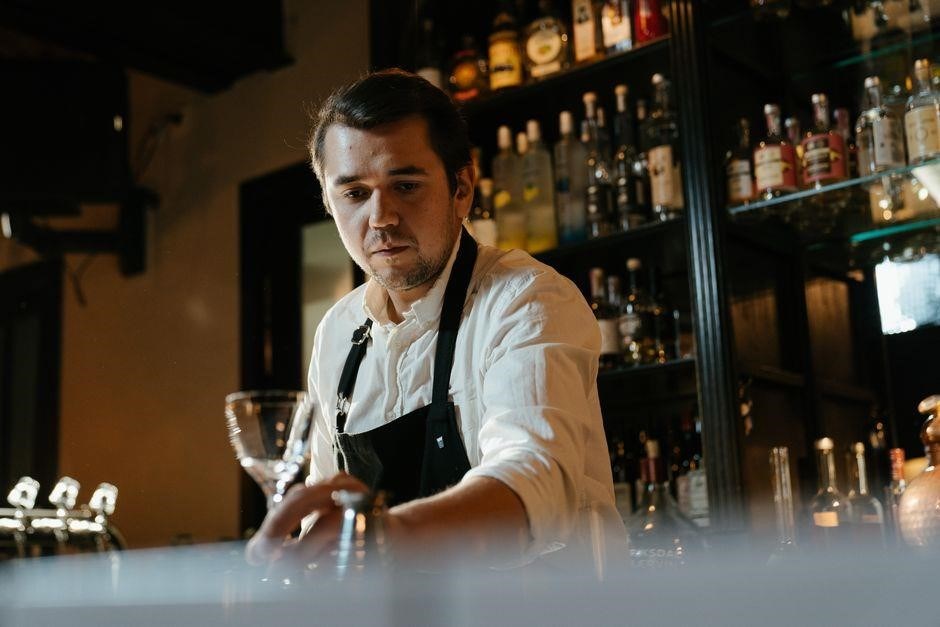
Daily tasks include opening the bar, restocking supplies, monitoring inventory, cleaning stations, managing cash, and closing duties. Consistent prep, safety checks, and teamwork ensure smooth service and a welcoming atmosphere for guests. Staff coordination keeps operations running smoothly

Bar Setup and Maintenance
Before the first guest arrives, the bartender must prepare the bar area to ensure a smooth flow of service and a safe environment. The process begins with a thorough inspection of the bar top,glassware, and equipment for any damage or cleanliness issues. All surfaces are wiped with a sanitizing solution,and the glassware is rinsed and arranged in the appropriate racks. The bartender then checks the inventory of spirits, mixers, garnishes, and bar tools,noting any low stock items for reordering. A well‑organized bar station includes a clear layout of bottles, shakers, strainers, and jiggers,allowing quick access during high‑volume periods. Proper lighting is essential; the bartender adjusts bright lights and lighting to create an ambiance while ensuring visibility for safe handling of glassware and tools. The bartender verifies that all safety equipment,including fire extinguishers, first‑aid kits, and spill‑control mats,are in place and fully functional. A small,labeled area for disposable items like napkins, straws, and cocktail picks is positioned within easy reach. The bartender performs a quick walk‑through of the bar and surrounding seating area, checking for any hazards such as loose tiles or exposed wires, and adjusting the layout if necessary to accommodate the expected flow of guests. By following these steps, the bartender establishes a clean, efficient, and compliant bar environment that supports excellent service and guest satisfaction. Throughout the shift, the bartender on the bar’s condition,very spills and equipmentissuesto uphold safety;
Inventory Management
Effective inventory management is the backbone of a successful bar operation. The bartender begins each day by reviewing the current stock levels against the projected demand for the shift. This involves a meticulous audit of spirits, liqueurs, mixers, garnishes, and non‑alcoholic beverages. Using a digital inventory system or a simple spreadsheet, the bartender records the quantity of each item, noting the bottle size, brand, and expiration date. Accurate logging prevents waste and ensures that high‑margin products are stocked appropriately. During service, the bartender continuously monitors consumption rates, comparing real‑time sales to the inventory ledger. This real‑time tracking allows for immediate reordering of fast‑moving items and helps identify any discrepancies that could indicate theft or mismanagement. The bartender also manages the storage area, keeping bottles organized by type and brand. Proper rotation of stock—first‑in, first‑out—ensures minimal spoilage. In addition, the bartender collaborates with the purchasing department to place orders based on historical sales data and upcoming events. They negotiate with suppliers for favorable pricing and delivery schedules, ensuring that the bar never runs out of essential ingredients. Finally, the bartender conducts a weekly reconciliation of the inventory records with the physical count, adjusting the system for any variances; Monitoring ensures accurate daily forecasts! This disciplined approach to inventory management not only reduces costs but also boosts efficiency and profit!!
Mixology Skills
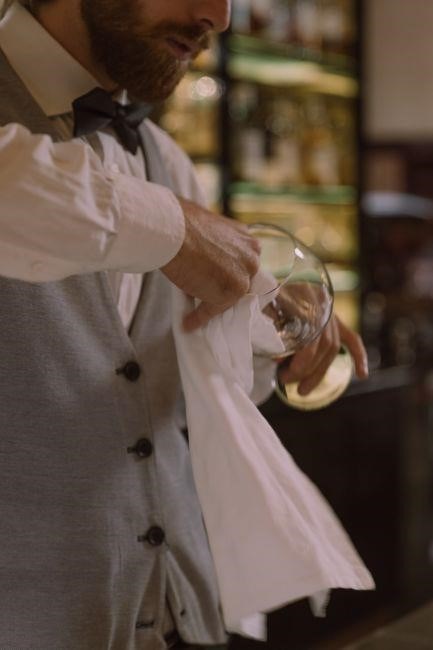
Mastering mixology blends creativity, technique, and knowledge of spirits. Bartenders craft balanced drinks, adjust flavors, and present visually appealing cocktails. They stay current with trends, experiment with ingredients, and ensure each pour meets quality standards and consistency
Classic Cocktail Preparation
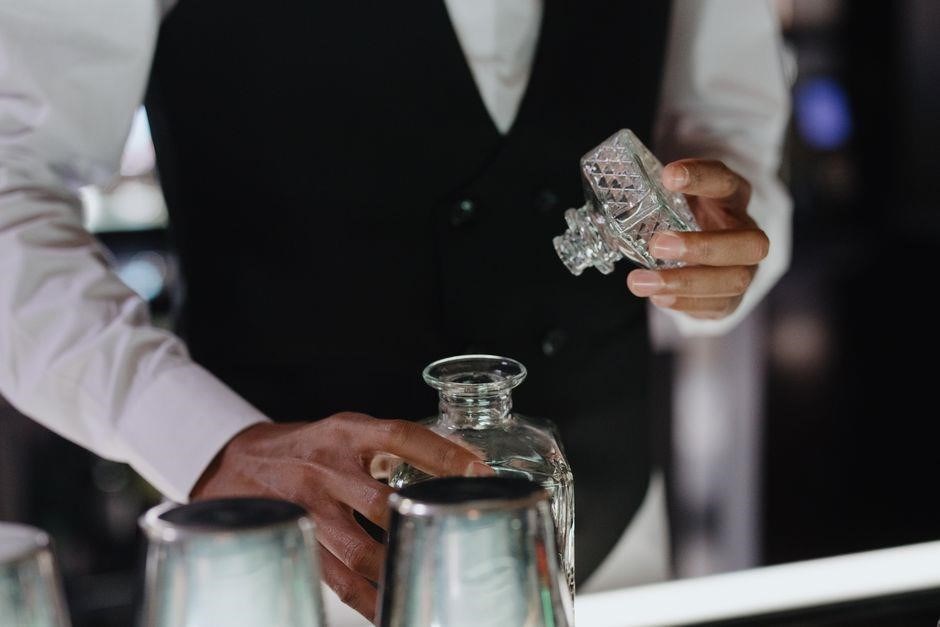
In the realm of classic cocktails, precision and reverence for tradition guide every pour. A bartender must first select the appropriate base spirit—gin, whiskey, rum, tequila, or brandy—ensuring it meets the flavor profile demanded by the recipe. Next, the correct ratio of bitters, liqueurs, citrus, and sweeteners is measured with calibrated jiggers or a standard 1:2:3 ratio for many staples. The mixing technique—shaking, stirring, or building—determines the drink’s texture and dilution; for instance, a Manhattan is stirred to maintain clarity, while a Daiquiri requires vigorous shaking to chill and aerate. After the liquid is combined, a strain through a fine mesh or a Hawthorne strainer removes ice shards, preserving a smooth mouthfeel. Garnishes are more than decoration; they contribute aroma and visual appeal. A lemon twist releases oils that accentuate citrus notes, while a cherry or olive can signal the drink’s style. Finally, the glassware is chilled, and the bartender presents the finished cocktail with a flourish, ensuring the drink arrives at the patron’s table at the optimal temperature and with a nice appearance. By mastering fundamentals the bartender creates goodexperience that keep guests returning. Throughout the shift, the bartender must maintain a calm demeanor, manage time efficiently, and keep the bar area spotless, ensuring every guest receives a consistent, high‑quality service.
Creative Drink Creation
In creative drink creation, bartenders blend artistry with chemistry, experimenting with flavor pairings, textures, and presentation to craft memorable experiences. They source seasonal ingredients—fresh herbs, fruits, and spices—to infuse cocktails with local flair. By deconstructing classic recipes, they identify core elements and then reimagine them with unconventional spirits, infusions, or molecular techniques such as foams, gels, and edible glitter. Precision in measurement remains essential; a small deviation can alter balance. Bartenders develop signature drinks that reflect the venue’s theme, using storytelling in the name and garnish to engage patrons. They stay current with industry trends, attending workshops and tasting new products, while respecting the fundamentals of balance, sweetness, acidity, and bitterness. Presentation is paramount: creative glassware, layered colors, and smoke effects create a visual narrative. Finally, bartenders gather feedback, iterating recipes to refine taste and presentation, ensuring each creation is both memorable and reproducible. This process showcases skill, builds brand identity, and fosters guest loyalty. They collaborate with mixologists to host tasting events, inviting guests to participate in the creative journey. By offering customizable options—choosing a base spirit or adjusting sweetness—bartenders empower customers to personalize their experience. Additionally, they maintain a detailed recipe log, documenting ingredient ratios, preparation steps, and sensory notes, which aids consistency and training. Through meticulous documentation, new staff quickly learn the creative repertoire, ensuring the bar’s offerings remain fresh and high quality. The process is iterative; bartenders experiment during off‑hours, testing new flavor combinations, then refining them based on tasting panels. This continuous innovation keeps the menu dynamic and encourages repeat patronage. Ultimately, creative drink creation blends science, art, and customer engagement, elevating the bar experience beyond simple beverage service.
Legal and Safety Responsibilities
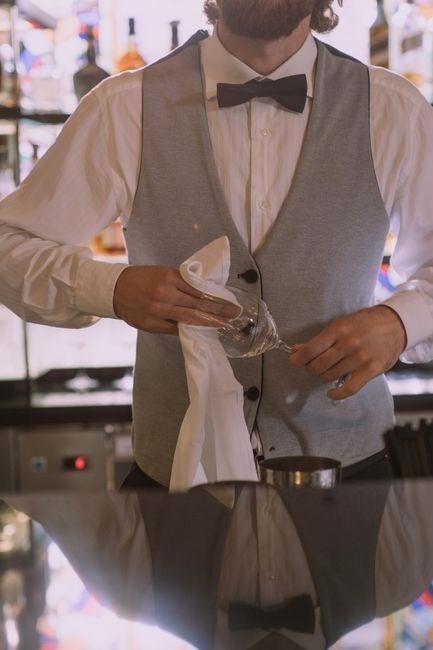
Responsible bartenders enforce licensing, verify IDs, monitor consumption, and maintain records. They uphold health codes, sanitize equipment, and ensure safe storage. Compliance training, emergency protocols, and ethical service protect patrons and the establishment. and law
Alcohol Licensing Compliance
Ensuring adherence to local, state, and federal alcohol regulations is a cornerstone of a bartender’s duties. This responsibility starts with a thorough understanding of the licensing framework that governs the establishment, including license type, permissible hours, and restrictions on certain beverages.
Verification of a patron’s legal drinking age is non‑negotiable. Bartenders must use a reliable ID‑checking protocol, inspecting issued IDs for photo, date of birth, and expiration date; The process should be discreet yet firm, refusing service if any doubt about authenticity arises.

Record‑keeping is essential. Jurisdictions often require logs of alcohol sales, including beverage type, quantity, time, and customer identity. Electronic point‑of‑sale systems provide built‑in compliance features like age verification alerts and real‑time inventory tracking.
Bartenders must enforce venue‑specific no‑drinking policies, such as prohibitions on serving minors during certain hours or to non‑licensed staff. Applying these rules protects the business from legal penalties and ensures a safe environment.
Ongoing training, such as Responsible Beverage Service courses, equips bartenders to identify intoxication, handle difficult situations, and stay current with legal obligations. Completing these programs enhances professionalism and fosters a safer service culture;
Bartenders should review establishment’s compliance status, participate in internal audits, and collaborate with management to update policies as regulations evolve. By maintaining vigilance, they uphold the integrity of the service and safeguard public health today.
Compliance requires staff to complete certifications before serving alcohol. Regular refresher courses maintain standards and mitigate risks of over‑service or under‑age violations!
Health and Sanitation Standards
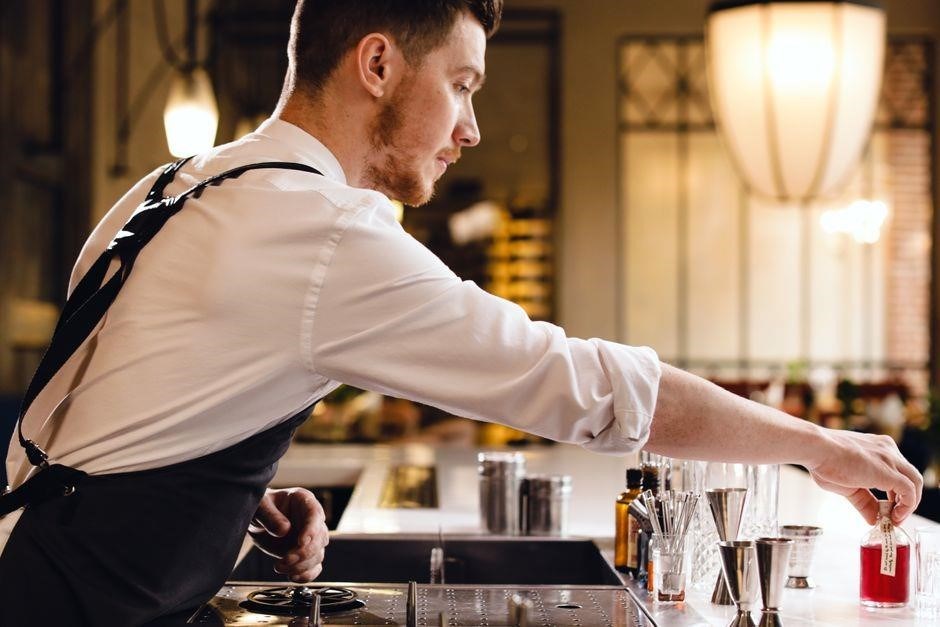
Cleanliness is non‑negotiable. All surfaces—bar tops, glassware, and equipment—must be washed and sanitized after each use. A routine schedule includes washing glassware in hot soapy water, rinsing, and drying with lint‑free towels.
Personal hygiene is critical. Bartenders should wash hands before handling food‑grade ingredients, after restroom use, and after any activity that may contaminate hands. Clean gloves and tied‑back hair reduce bacterial transfer.
Ingredient storage protects quality. Spirits, liqueurs, and mixers should be kept cool, dry, and away from sunlight. Perishables—fruit, dairy, garnishes—must stay refrigerated and used within their shelf life.
Waste management prevents hazards. Food scraps, broken glass, and disposables go to designated containers and are emptied regularly. Spills are wiped immediately and sanitized to avoid slips and maintain a professional look.
Compliance with health codes requires regular inspections. Bartenders must know local regulations, use approved cleaning agents, keep temperature logs for refrigerated items, and document cleaning schedules. Training in food safety ensures up‑to‑date practices.
Ongoing education keeps bartenders ahead of evolving trends. Attending workshops on new spirits, low‑alcohol alternatives, and mixology techniques sharpens skill sets. Staying informed about ingredient sourcing, sustainability practices, and customer preferences ensures a dynamic, responsible service that delights guests while upholding industry standards.
Stay curious, stay compliant, and serve responsibly.